
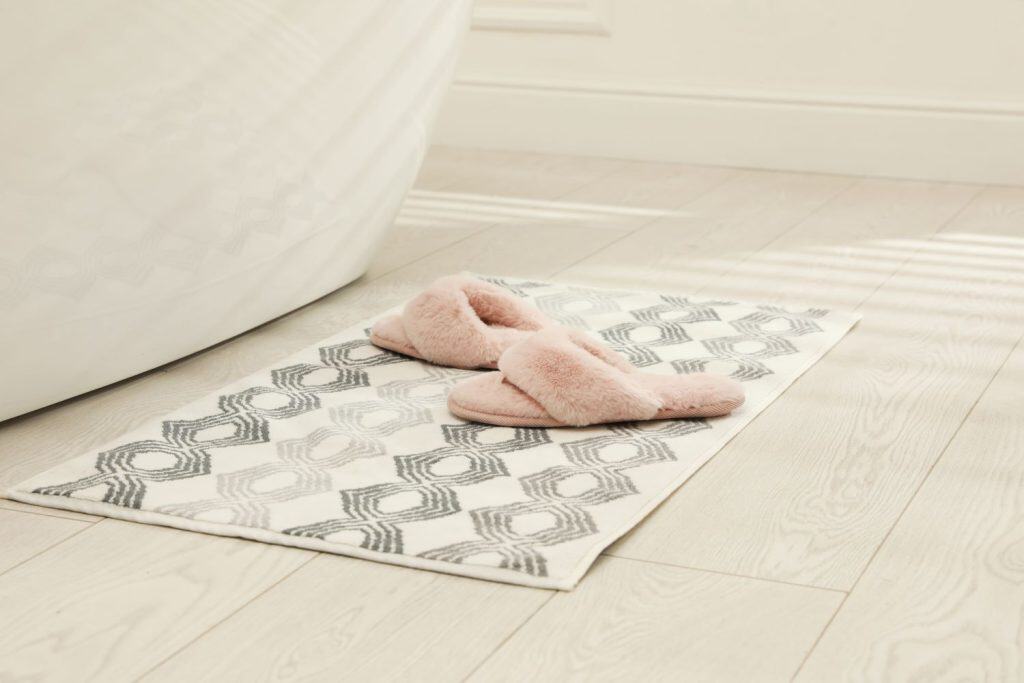
Slipping in the bathroom is one of the most common, and most preventable, household accidents. A reliable bath mat non slip solution reduces risk, improves comfort, and helps keep showers and tubs safer for everyone in the home. In this guide we walk through why a non-slip bath mat matters, the types available, how to choose the right one for your space and people, and how to install and care for it so it works long-term. Our goal is to make the decision simple and practical: you’ll know what to look for and what to avoid.
Why Non-Slip Bath Mats Matter
Bathrooms combine water, soap, and hard surfaces, a recipe for accidents. A bath mat non slip product is more than a comfort accessory: it’s an essential safety device. Falls in bathrooms account for a large share of home injuries, especially for older adults and young children. We want to reduce those incidents by choosing mats that actually prevent sliding rather than just feel soft underfoot.
Beyond preventing slips, a good non-slip bath mat also improves confidence when stepping in and out of the tub, stabilizes balance during bathing, and can protect flooring from water damage. But not all mats are created equal. Some mats grip well when dry but fail when wet: others collect mold because they don’t drain. Understanding the trade-offs helps us pick a mat that both performs and lasts.
Types Of Non-Slip Bath Mats
There are several common categories of non-slip bath mats: each has strengths and drawbacks depending on our bathroom layout and needs.
- Rubber and PVC mats: These are durable and usually have textured tops plus non-skid bottoms. They’re good for heavy use and are affordable, but may hold water and require frequent cleaning to prevent mildew.
- TPE (thermoplastic elastomer) mats: TPE combines rubber-like grip with better drainage design. They’re often free of latex and phthalates and resist mold more effectively than plain rubber.
- Microfiber and fabric mats with anti-slip backing: These prioritize comfort and absorbency. The backing (rubberized or silicone) provides grip: but, absorbent tops can stay wet and need proper drying to avoid odor.
- Suction-cup tub mats: Designed to stick directly to tub floors, they reduce movement inside the tub. Proper placement and maintenance of the suction cups matter, they can fail if the suction surface becomes dirty.
- Wooden slat and bamboo mats: Elevated slats allow water to drain underneath, reducing mold risk. They’re stylish and durable but may be slippery if the top surface isn’t textured or treated.
- Peel-and-stick adhesive mats: These are more permanent and can provide excellent grip, but they require precise installation and may damage surfaces on removal.
When we compare options, we consider who’s using the bath, how often, and how much maintenance we’re willing to do.
How To Choose The Right Non-Slip Bath Mat
Choosing the right bath mat non slip solution comes down to matching product features with real-world needs. Below we break that decision into practical factors to evaluate.
Size, Shape, And Placement Considerations
Measure the shower or tub footprint before buying. A mat that’s too small won’t protect the most-used areas: one that overlaps a drain can impede water flow. For walk-in showers, choose a mat that leaves a few inches of clearance from the walls to avoid trapping water. For tubs, consider U-shaped mats that fit around the drain and reduce bunching. If we have mobility aids (grab bars, transfer benches), choose a mat that accommodates them and doesn’t obstruct placement.
Materials And Surface Texture
Surface texture matters for both grip and comfort. Raised nodules, ridges, or a coarse fabric top increase friction when our feet are wet. Softer, plush tops feel nicer but can be less effective unless the backing is excellent. Materials like TPE and rubber offer consistent grip, while quick-drying fabrics reduce mildew risk. We prefer textured surfaces that still feel comfortable for sensitive feet, not sandpaper, but enough texture to prevent unwanted movement.
Backing Systems: Suction Cups, Rubber, And Adhesive
The backing determines whether a mat stays put. Suction cups can offer a strong hold on smooth tub floors but need periodic re-seating and cleaning to maintain suction. Continuous rubber backings provide broad contact and resist sliding on tile but can trap moisture when placed directly on the floor. Adhesive-backed mats are the most secure but are semi-permanent and can leave residue. We usually recommend suction or full-rubber backings for flexibility and reliable performance: opt for adhesive only when longevity and immovability are primary concerns.
Safety Standards, Certifications, And Weight Capacity
Look for products that meet recognized safety standards or third-party testing for slip resistance. Certifications like ASTM slip-resistance ratings or independent lab tests give us confidence. Also check weight capacity if the mat will be used with transfer benches or by heavier users: some mats are tested to support concentrated loads without tearing. Manufacturer transparency about testing and materials is a good sign of quality.
Installation, Cleaning, And Maintenance
A mat performs only as well as its installation and upkeep. Here are practical steps for installation and care so the bath mat non slip features last.
Installation Tips For Maximum Grip
- Clean the surface first: Remove soap scum, oils, and mineral deposits where the mat will sit. A clean surface ensures better suction or adhesion.
- Dry before placement: For suction systems, start with a dry surface then moisten the suction cups slightly to seat them. For adhesive mats, follow manufacturer prep instructions for optimal bonding.
- Press firmly and test: Apply even pressure, then stand slowly on the mat to confirm it’s secure. If the mat shifts, reposition until it holds.
- Avoid overlapping drains and seams: Position mats to allow proper drainage and avoid edges that can catch feet.
We’ve found that patience during installation pays off. Rushing this step risks a mat that slides or peels prematurely.
Cleaning And Care For Different Materials
- Rubber/TPE: Rinse weekly and scrub with mild soap. Avoid harsh cleaners that break down rubber. Dry completely between uses when possible.
- Fabric mats with rubber backing: Machine-wash fabric tops as directed and air-dry. Periodically flip and dry the backing to prevent mold.
- Suction-cup mats: Remove and clean both the tub surface and suction cups with vinegar or a non-abrasive cleaner to maintain suction.
- Wooden/bamboo: Wipe down and let air-dry: periodically treat with a small amount of mineral oil to keep wood from cracking.
Routine care extends the life and effectiveness of our mats, and it keeps bathrooms healthier.
When To Replace Your Non-Slip Bath Mat
Replace mats when we notice reduced suction, torn or flattened surfaces, persistent odor after cleaning, or loss of grip even when the surface is clean. As a rule of thumb, high-use mats often need replacement every 1–2 years, while lower-use mats can last longer. Never ignore a mat that wrinkles or lifts, it’s a slipping hazard waiting to happen.
Common Safety Tips And Mistakes To Avoid
We see the same mistakes again and again, and they’re avoidable.
- Mistake: Choosing softness over grip. Plush tops are comfy but can be dangerously slick when wet unless the backing is exceptional.
- Mistake: Skipping surface cleaning before installing suction-cup mats. Even a thin film of soap prevents a good seal.
- Mistake: Using bath mats on damaged or textured flooring that prevents full contact. In those cases, adhesive or professionally-installed solutions are better.
- Mistake: Letting mats stay wet for long periods. Constant moisture promotes mold and reduces material integrity.
Safety tips we recommend: pair a non-slip mat with grab bars in high-risk bathrooms, use mats with good drainage, and test grip after each cleaning. For households with seniors or mobility issues, choose mats and accessories designed for higher weight capacities and non-slip performance over aesthetics.
Budgeting And Buying Guide: Price Ranges And Value Factors
Non-slip bath mats cover a broad price range. Here’s how to think about cost vs. value:
- Budget ($10–$25): Basic rubber or PVC mats. Functional short-term solutions. Good for renters or low-traffic bathrooms.
- Mid-range ($25–$60): TPE mats, higher-quality fabric mats with better backing, and wooden slat options. These often offer better durability and mildew resistance.
- Premium ($60+): Specialty slip-resistant designs, antimicrobial treatments, and adhesive systems intended for long-term or commercial use.
When we buy, we consider durability, warranty, and whether replacement components (like suction cup sets) are available. A mid-range mat that stays cleaner and lasts longer can be the best value: cheap mats often end up replaced multiple times, increasing lifetime cost. Check reviews for real-world grip performance and look for transparent testing data from manufacturers.
Conclusion
A bath mat non slip product is a small investment with a big safety payoff. We recommend prioritizing grip, drainage, and honest test data over looks alone. Measure your space, match materials to your cleaning habits and user needs, and install the mat carefully. With the right choice and simple maintenance, a non-slip bath mat dramatically reduces risk and makes daily routines safer and more comfortable. If you’re upgrading or buying for the first time, focus on quality and realistic use cases, your feet (and your peace of mind) will thank you.