
Custom dress shoes occupy a unique place in a wardrobe. They are not just accessories, they are tools of presentation, confidence, and long-term value. While many buyers focus on color, brogue details, or sole style, one of the most important decisions happens before the first stitch is made: selecting the right leather.
Leather determines how shoes look, feel, age, crease, polish, resist weather, and conform to your feet over time. Even the most skilled craftsmanship can be limited by poor material selection, while excellent leather can elevate a simpler design into something elegant and enduring.This guide explores the best leathers for custom dress shoes, how each type performs, and what to choose based on your lifestyle, climate, and wardrobe needs.
Why Leather Choice Matters So Much
The upper leather of a shoe influences:
- Appearance and richness of finish
- Durability over years of wear
- Breathability and comfort
- Ease of polishing and maintenance
- Creasing quality
- Water resistance
- Softness during break-in
- Formality level
Two identical shoe designs made from different leathers can feel like entirely different products.
Core Categories of Shoe Leather
For custom dress shoes, most choices fall into several premium categories:
| Leather Type | Best For | Character |
| Calfskin | Formal business wear | Smooth, refined |
| Full-Grain Leather | Long-term durability | Natural, robust |
| Box Calf | Elegant dress shoes | Fine grain, polished |
| Suede | Smart casual versatility | Soft texture |
| Pebble Grain | Travel / practical wear | Textured, durable |
| Cordovan | Enthusiast luxury | Dense, rich shine |
| Nubuck | Relaxed style | Velvet-like matte |
Each serves different needs.
1. Calfskin: The Gold Standard
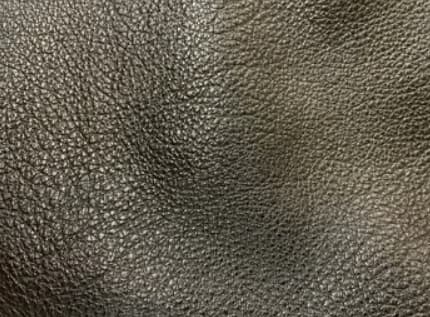
If someone asks for one leather suitable for most dress shoes, calfskin is often the answer.
Calfskin comes from younger cattle and is prized for:
- Fine grain structure
- Soft hand feel
- Elegant appearance
- Good flexibility
- Beautiful polish response
- Controlled creasing
Why It Works So Well
Calfskin balances comfort, sophistication, and longevity. It is ideal for:
- Oxfords
- Derbies
- Monk straps
- Loafers
- Wedding shoes
- Business rotation pairs
Best Colors in Calfskin
- Black for formal use
- Dark brown for business versatility
- Medium brown for modern office wear
- Burgundy for character
2. Full-Grain Leather: Built to Last
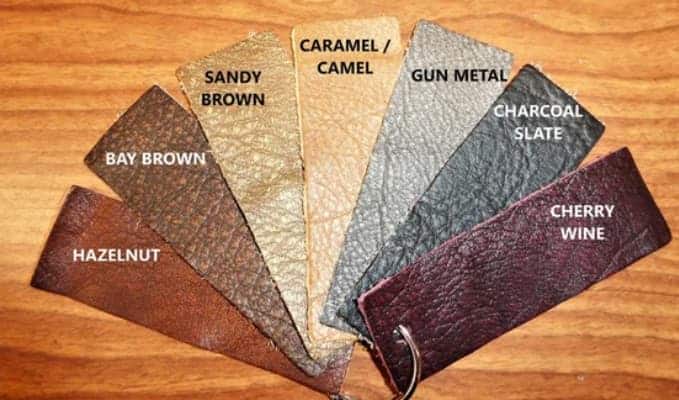
Full-grain leather refers to the hide retaining the strongest outer grain layer. It is minimally corrected and highly durable.
Benefits
- Strong structure
- Excellent longevity
- Develops patina over time
- Better resistance to wear
- Distinct natural character
Best For
- Frequent use shoes
- Travelers
- Daily commuters
- Buyers wanting years of use
Some full-grain leathers may feel firmer initially but reward patience.
3. Box Calf: Refined Formal Luxury
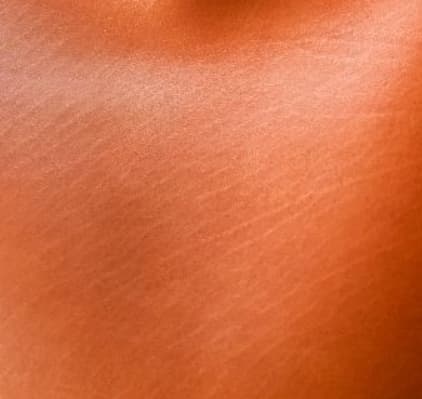
Box calf is a premium smooth calf leather finished for elegant dress shoes. It is common in classic European shoemaking.
Features
- Fine, tight grain
- Rich shine
- Crisp formal look
- Excellent color depth
Best Uses
| Shoe Style | Suitability |
| Black Oxford | Excellent |
| Wholecut | Excellent |
| Cap Toe Derby | Strong |
| Casual Loafer | Moderate |
For boardrooms, weddings, and black-tie-adjacent settings, box calf remains elite.
4. Suede: Underestimated Sophistication
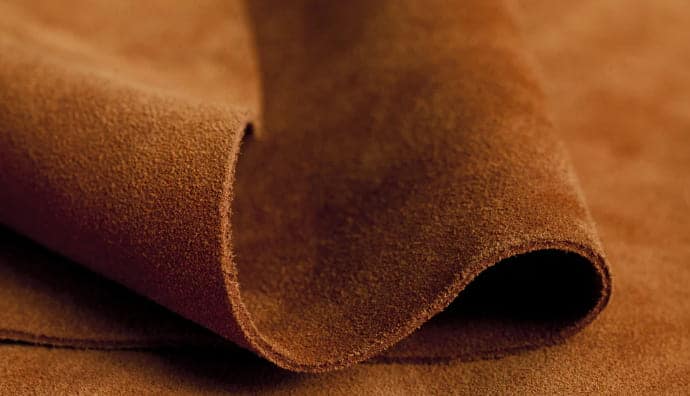
Many people think suede is casual only. In reality, quality suede can be one of the most versatile leathers available.
Why Suede Is Valuable
- Soft comfort immediately
- Less visible creasing
- Texture adds depth
- Excellent with chinos, wool trousers, denim
- Works in loafers, derbies, boots
Best Colors
- Snuff brown
- Dark chocolate
- Navy
- Taupe
- Olive (for adventurous wardrobes)
Great for Warm Climates
Suede often looks relaxed yet refined, especially useful in tropical cities.
5. Pebble Grain Leather: Practical Elegance
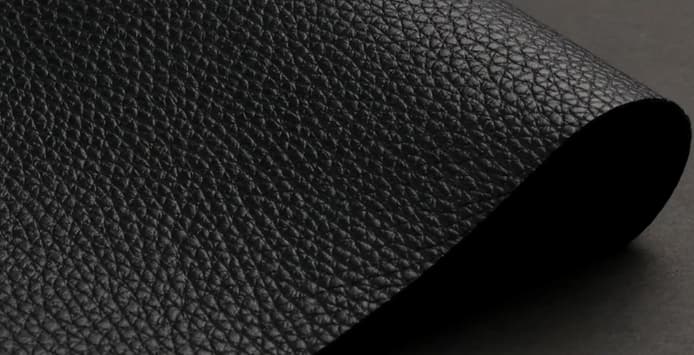
Pebble grain uses embossed or natural grain texture. It offers more visual ruggedness and often hides scratches better than smooth leather.
Benefits
- Durable look
- Scratch forgiveness
- Weather-friendly appearance
- Strong with smart casual tailoring
Ideal For
- Travel derbies
- Winter business shoes
- Weekend smart wear
- Frequent city walking
6. Shell Cordovan: Collector-Level Luxury
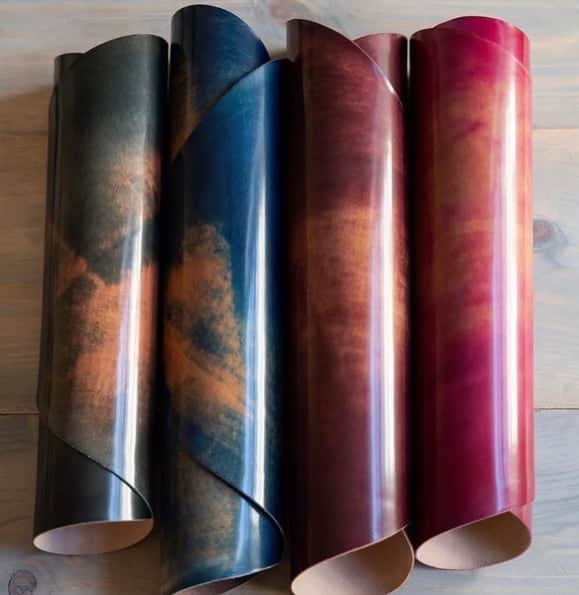
Shell cordovan is made from a specific fibrous membrane from horsehide. It is famous among enthusiasts.
Why People Love It
- Deep glow instead of standard shine
- Unique rolling creases rather than sharp wrinkles
- Exceptional longevity
- Rich color development
Considerations
- Expensive
- Heavier feel
- Longer break-in possible
- Limited supply
For many buyers, cordovan is a second or third pair purchase rather than first.
7. Nubuck: Soft Casual Hybrid
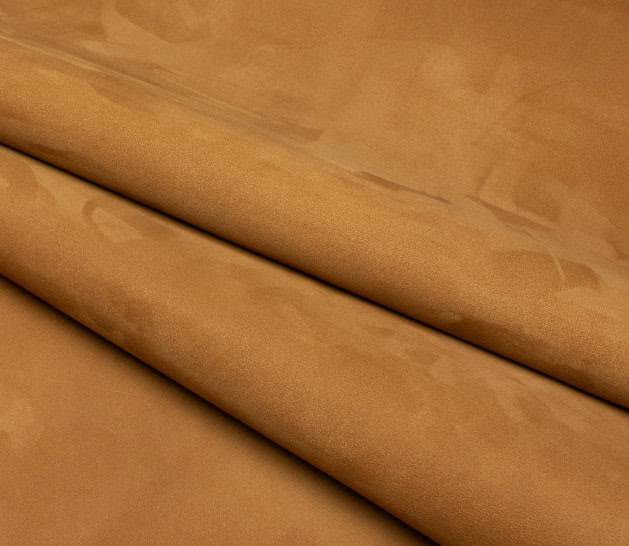
Nubuck is top-grain leather sanded lightly for a soft matte finish.
Best For
- Smart casual derbies
- Weekend loafers
- Relaxed office cultures
It is stylish but usually less formal than calfskin.
Which Leather Is Best by Use Case?
| Use Case | Best Leather |
| Corporate Office | Calfskin / Box Calf |
| Weddings | Box Calf / Premium Calfskin |
| Daily Heavy Rotation | Full-Grain |
| Smart Casual | Suede / Pebble Grain |
| Luxury Enthusiast | Cordovan |
| Tropical Smartwear | Suede / Soft Calf |
How Climate Should Influence Leather Choice
Climate matters more than many buyers realize.
Warm / Humid Cities
Choose:
- Breathable calfskin
- Unlined suede
- Softer flexible uppers
Avoid overly stiff thick leather if comfort is priority.
Cooler / Wet Regions
Choose:
- Pebble grain
- Full-grain structured hides
- More weather-resistant finishes
How Leather Ages Over Time
Not all aging is equal.
Good Aging Signs
- Softened flex points
- Richer tone
- Natural patina
- Comfortable molding to foot
Bad Aging Signs
- Cheap cracking finish
- Excessive deep wrinkles
- Dryness
- Delamination appearance
Higher-quality leather generally ages gracefully with maintenance.
Common Mistakes Buyers Make
1. Choosing Gloss Over Quality
Some cheap corrected leather looks shiny at first but ages poorly.
2. Ignoring Lifestyle
A delicate museum calf may not suit daily train commuting.
3. Buying Only Black Smooth Leather
A wardrobe becomes far more versatile with brown calfskin or suede additions.
4. Underestimating Maintenance Needs
Premium leather still needs brushing, rest days, and conditioning.
Leather Comparison: Comfort During Break-In
| Leather | Immediate Comfort | Long-Term Reward |
| Soft Calfskin | High | High |
| Full-Grain | Medium | Very High |
| Box Calf | Medium | High |
| Suede | High | High |
| Cordovan | Medium-Low | Exceptional |
What About Ethical and Sustainable Concerns?
Many buyers now ask where hides come from and how tanning is managed.
Better indicators include:
- Responsible sourcing transparency
- Long lifespan products
- Repairability
- Reduced waste manufacturing
- Vegetable-tanned options where suitable
The most sustainable shoe is often the one worn for many years.
How to Inspect Leather Before Ordering
When viewing swatches or samples, check:
- Natural grain consistency
- Flex response
- Color richness
- Thickness suitability
- Surface smell (harsh chemical smell can be warning sign)
- Finish depth, not plastic shine
Best First Pair Strategy
If buying your first custom dress shoe, a safe winning formula is:
- Dark brown calfskin derby OR
- Black cap-toe calfskin oxford
These cover most professional and formal needs.
How Many Leather Types Should a Wardrobe Have?
A balanced collection may look like:
| Pair | Leather |
| Formal black shoe | Box calf |
| Brown office shoe | Calfskin |
| Casual loafer | Suede |
| Travel derby | Pebble grain |
| Luxury statement pair | Cordovan |
Caring for Premium Leather
Essential Routine
- Use shoe trees
- Brush after wear
- Rotate pairs
- Condition periodically
- Polish when needed
- Keep away from soaked storage environments
Good care can double usable life.
Signs You Chose the Right Leather
You know your choice works when:
- Shoes become more attractive over time
- Creasing looks natural
- Maintenance is manageable
- You reach for them often
- They match your real wardrobe needs
Conclusions
The best leather for custom dress shoes depends less on prestige labels and more on how honestly it matches your lifestyle. A banker may need polished box calf, a frequent traveler may prefer pebble grain, and someone building a modern smart wardrobe may love suede versatility. If you are investing in coordinated bespoke style, where footwear complements trousers, jackets, and shirts, it helps to work with experienced professionals who understand the entire picture. In Bangkok, we, at Jesse and Son have built a reputation for personalised menswear craftsmanship, making them a useful option for those exploring complete wardrobe refinement. For buyers searching for a reliable Bangkok suit tailor who values fit and presentation, discussing shoe leather choices alongside custom clothing can be a smart move.
FAQ
1. What is the best leather for first custom dress shoes?
Calfskin is usually the best starting point because it balances elegance, comfort, and durability.
2. Is suede too casual for dress shoes?
Not always. Suede loafers and derbies can be highly refined in modern wardrobes.
3. Does expensive leather always mean better quality?
Not automatically. Source, tanning, finishing, and craftsmanship all matter.
4. What leather creases the best?
High-quality calfskin and cordovan generally age attractively.
5. Is cordovan worth the price?
For enthusiasts who value longevity and unique character, often yes.
6. Which leather is easiest to maintain?
Smooth calfskin and pebble grain are generally practical choices.
7. Are leather soles better than rubber?
Depends on use. Leather is elegant; rubber offers grip and weather practicality.
8. How long should premium leather shoes last?
With rotation and proper care, quality premium leather shoes last many years, sometimes far longer.